Underground leaks in urban water networks can remain undetected for long periods, resulting in significant water losses and increased operating costs. Every litre of treated water lost through hidden leaks is water that cannot be used by households, businesses and communities when conditions become dry.
The Far North Queensland Regional Organisation of Councils (FNQROC) is helping member councils improve water security and strengthen drought resilience for their communities through a regional water leak detection project.
The FNQROC Regional Water Leak Detection Project is being funded under Phase 1 of Queensland’s Regional Drought Resilience Program (RDRP).
As part of the FNQROC Regional Water Leak Detection Project, FNQROC’s Procurement Coordinator, Ieva Pradal, managed the delivery of the project, including facilitating a regional working group. “The Regional Leak Detection Program delivered tangible benefits across the region, helping councils identify hidden treated water leaks, reduce non-revenue water losses, and improve the efficiency and resilience of vital water infrastructure.”
Bringing together four local councils under a collective procurement process, the working group engaged water surveying specialists to undertake water leak detections across four local government areas to identify hidden leaks within local water networks.
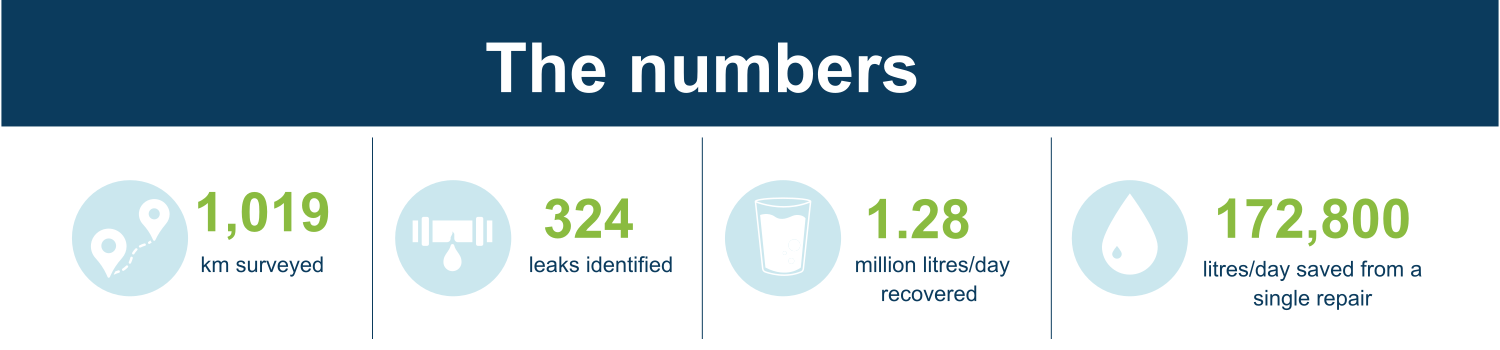
The project inspected more than 1,019 kilometres of water mains and identified 324 leaks. Of these, 299 leaks, or 92 per cent, were located on council-managed infrastructure.
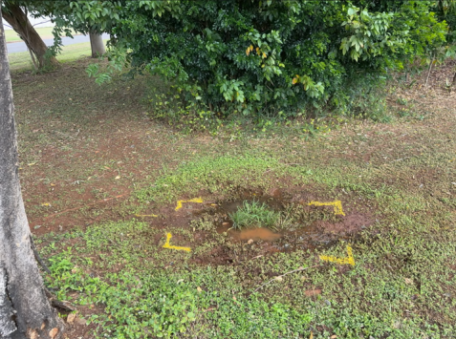
Figure 1: Leaking water main, Mareeba Shire Council
The surveys found leaks were responsible for the loss of approximately 1,352 litres of water every minute. Around two-thirds of this loss occurred on council assets, representing approximately 1.28 million litres of treated water each day.
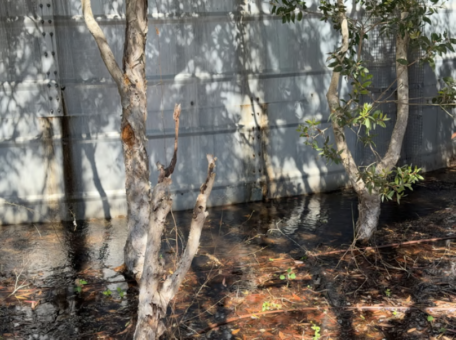
Figure 2: Water leak, Mareeba Shire Council
One of the largest leaks was identified in the Cassowary Coast region, where water was escaping at a rate of 120 litres per minute. Council was notified and repaired the leak within 24 hours. Repairing this single leak saved an estimated 172,800 litres of treated water per day, equivalent to the average daily water use of around 900 people.
The project has provided councils with valuable data to better understand where water losses are occurring and to prioritise repairs. By identifying and addressing hidden leaks before they become major failures, councils can improve network efficiency, reduce the loss of treated water and strengthen long-term water security for local communities.
Mareeba Shire Council Manager of Water & Waste said the project had delivered benefits well beyond identifying individual leaks.
“The Regional Water Leak Detection Program has provided significant benefits to our region by helping councils identify and address water losses that may have otherwise gone undetected,” they said.
The Federal and State funded project has enabled local councils to come together to identify common solutions to problems being felt across multiple local government areas. As highlighted by Mareeba Shire Council, “ The collaborative approach has enabled participating councils to share knowledge, experiences and best practices, improving our collective understanding of leak detection and water network management.”
The benefits of the FNQ Regional Water Leak Detection initiative have delivered well beyond identifying individual leaks.
“Looking ahead, leak detection will continue to play an important role in improving water security, reducing non-revenue water losses and ensuring the long-term sustainability of regional water infrastructure across Far North Queensland.” (Waste & Waster Manager, Mareeba Shire Council).
“The program has proven so valuable that it is expected to transition into an ongoing FNQROC regional arrangement, enabling councils to continue collaborating, sharing resources, and delivering long-term value to their communities.” (Ieva Pradal, FNQROC)
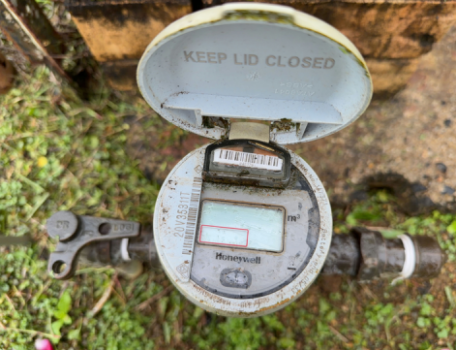
Figure 3: Faulty water meter, Gulf Hinterland and Wet Tropics.
The RDRP is jointly funded by the Australian Government’s Future Drought Fund and the Queensland Government, with delivery support from the Queensland Department of Primary Industries.
Representing 12 councils across one of Australia’s largest and fastest-growing regions, FNQROC works to foster collaboration, share resources and deliver regional initiatives that benefit communities across Far North Queensland.
Read more about the Gulf Hinterland Regional Drought Resilience Plan here, and the Wet Tropics Regional Drought Resilience Plan here.